Chiefs & Leaders of Abeka
The complete official record of all chiefs, queen mothers, Muslim leaders, and community leaders associated with Abeka — from the founding ancestor Nii Boi I to the present day.
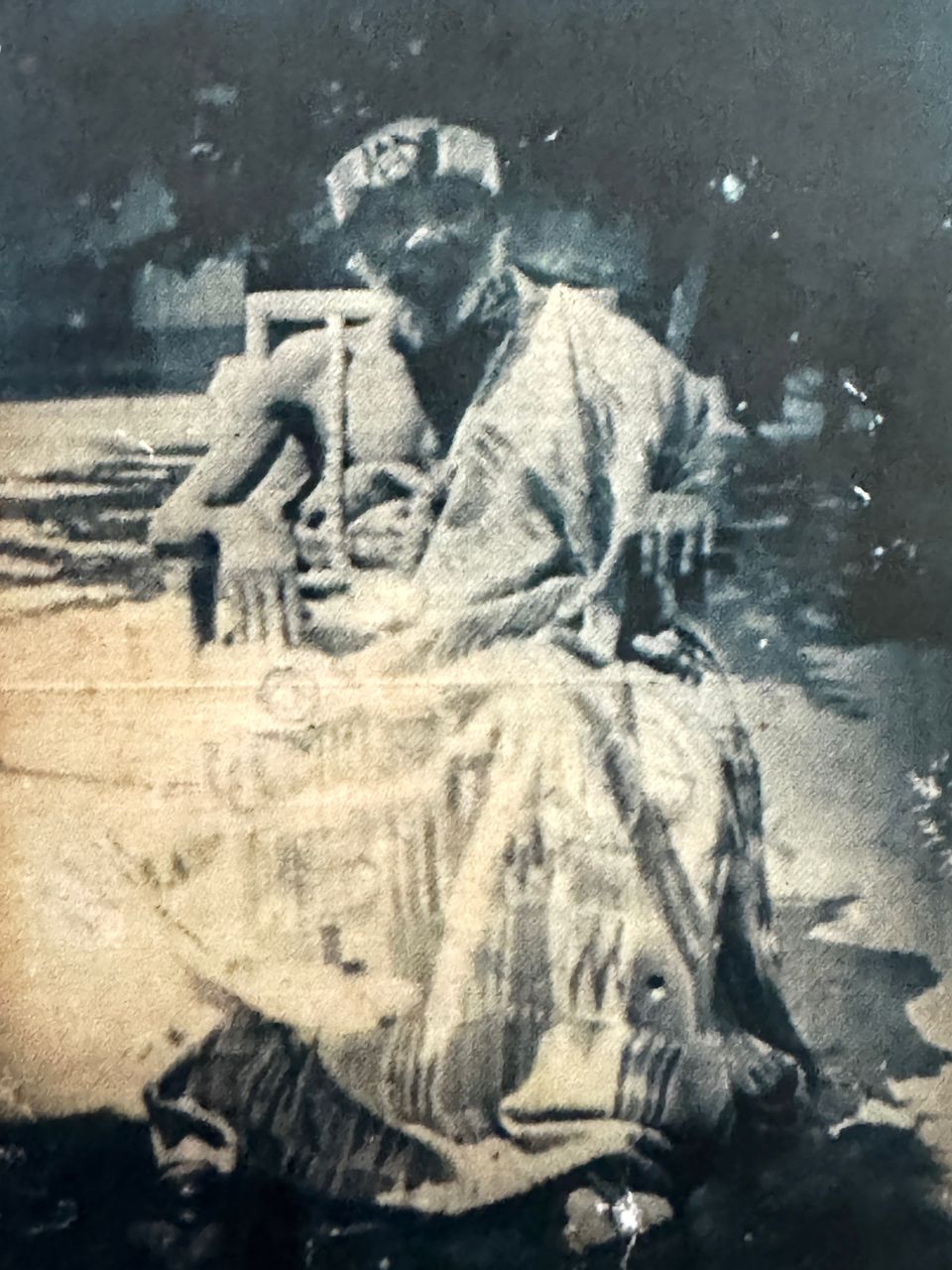
Ancestor — Nii Boi Royal Family
Nii Apiakai
Dates under review
historicalNii Apiakai is a revered ancestral figure within the Nii Boi Royal Family of Abeka. His name is carried in the oral tradition and family records of the Abeka stool as a forefather of the lineage that would produce the founding Mantse, Nii Boi I. In Ga tradition, the ancestor families who settled and established communities are held in the highest regard, and Nii Apiakai represents the deep roots of the Nii Boi Royal Family in the Abeka land. His memory is preserved through family oral history and the continued custodianship of the stool by his descendants.

Abeka Mantse (First Recorded)
Nii Boi I
Dates under review
deceasedNii Boi I is the founding figure of the Nii Boi Royal Family of Abeka, a sub-divisional stool under the Asere Division of the Ga Traditional Council, Greater Accra Region. He is the earliest documented Mantse of Abeka within the Nii Boi lineage. His most significant recorded act was the formal installation of the first Abeka Queen Mother (Manye) in 1978, establishing the female royal institution that would serve alongside the stool. Nii Boi I's tenure set the foundational governance structures and customs that govern the Abeka stool to this day. Records from community elders and the Ghana National Archives are being consulted to document his full reign in greater detail.

Abeka Mantse
Nii Boi II
Dates under review
deceasedNii Boi II served as Abeka Mantse following the passing of Nii Boi I, continuing the traditions and governance responsibilities of the Abeka stool under the Asere Division of the Ga Traditional Council. His reign coincided with significant urban growth in the Greater Accra Region, and he is remembered by community elders for maintaining the dignity and customs of the Abeka chieftaincy. Detailed records of his reign are being compiled from oral histories, community elders, and official archives at the Ga Traditional Council and the Ghana National Archives.
Abeka Mantse
Nii Boi III
Died 2011
deceasedNii Boi III served as Abeka Mantse and held the stool with distinction until his death in 2011. His passing necessitated the formal process of selecting a successor through the customary kingmaking procedures of the Nii Boi Royal Family. The stool remained vacant for approximately two years before the kingmakers enstooled Nii Boi IV on August 4, 2013. Community elders speak of Nii Boi III with respect for his service to the Abeka community and his role in maintaining the traditions of the chieftaincy during his tenure.

Abeka Mantse (Suspended)
Nii Boi IV
2013 — 2022
suspendedNii Boi IV was enstooled as Abeka Mantse on August 4, 2013, following the death of his predecessor Nii Boi III in 2011. His nomination and enstoolment followed customary kingmaking procedures of the Nii Boi Royal Family. However, his tenure became increasingly contentious. On November 25, 2022, he was allegedly involved in the purported enstoolment of Regina Naa Dedei Armah as Queen Mother and the installation of Tawiah Dodoo as Abeka Dzaase — both carried out without the knowledge, consent, or participation of the Stool Father and principal elders of the Nii Boi Royal Family. While he initially denied knowledge of these installations, he was subsequently seen in a video chanting in support. Following these events, the Nii Boi Royal Family unanimously resolved on December 5, 2022 to suspend him indefinitely, pending the determination of a case before the Ga Traditional Council. Nii Aban Boi II Seitse was appointed as regent of the Abeka stool.

Regent — Abeka Stool
Nii Aban Boi II Seitse
2022 — Present
regentNii Aban Boi II Seitse was appointed as regent of the Abeka stool by the Nii Boi Royal Family following the indefinite suspension of Nii Boi IV in December 2022. As regent, he carries out the traditional and administrative functions of the Abeka Mantse, representing the stool at traditional council meetings and presiding over community functions pending the resolution of the chieftaincy dispute. In November 2024, he presided over the installation ceremony of the first Ewe Chief of Abeka, Torgbui Bliguede I (Mr D.E. Souza), and presented the certificate of recognition. His regency represents a period of transitional traditional governance for the Abeka stool.
Abeka Manye (Queen Mother — First Recorded)
Naa Ayeley I
1978 — Present
historicalNaa Ayeley I holds the historic distinction of being the first officially installed Abeka Manye (Queen Mother). Her enstoolment in 1978 by Nii Boi I, in consultation with the principal elders of the Nii Boi Royal Family, formalised the queen mother institution in the Abeka Traditional Area. The Abeka Manye traditionally plays a vital role in the selection of the Abeka Mantse (Abeka has a matrilineal royal succession), in adjudicating women's affairs, and in preserving the cultural traditions of the community. Full records of her tenure are being compiled from community elders and the Ga Traditional Council archives.
Purported Queen Mother of Abeka (Installation Disputed)
Regina Naa Dedei Armah
2022 — 2022
destooledThe purported installation of Regina Naa Dedei Armah as Queen Mother of Abeka on November 25, 2022, without the authority of the Nii Boi Royal Family, became a flashpoint in the chieftaincy dispute that led to the suspension of Nii Boi IV. The Nii Boi Royal Family unanimously rejected her installation as unlawful under Ga customary law, reaffirming that only the Stool Father and principal elders of the Nii Boi Royal Family have the authority to install a Queen Mother for Abeka. The matter forms part of the ongoing case before the Ga Traditional Council.
Ewe Chief of Abeka
Torgbui Bliguede I
2024 — Present
currentTorgbui Bliguede I (Mr D.E. Souza) made history in November 2024 as the first Ewe Chief to be officially installed and legally recognised in Abeka. His installation represents a landmark moment of inclusion and recognition for the Ewe community, which has been a longstanding part of the diverse fabric of Abeka. Torgbui Bliguede I now serves as a full member of the Abeka Sub-Divisional Stool under the Asere Divisional Council in the Greater Accra Region, representing the Ewe community within the traditional governance structure of Abeka. His role involves advocating for the interests of the Ewe community, mediating internal community matters, and participating in the collective traditional governance of the area.

Dzaasetse of Abeka
Abeka Dzaasetse
2021 — Present
currentThe Abeka Dzaasetse holds one of the senior traditional offices within the Nii Boi Royal Family governance structure of Abeka. Enstooled in the same ceremony as Nii Boi IV in 2021, the Dzaasetse serves as a senior sub-chief with specific traditional, military, and governance responsibilities. In Ga custom, the Dzaasetse title is among the most senior sub-chief positions within a stool family. The Abeka Dzaasetse appointment is an exercise of the Nii Boi Royal Family's exclusive enstoolment authority over Abeka — an authority affirmed by the 2002 High Court perpetual injunction (Suit No. Misc. 1675/2002).
Context
The Nii Boi Royal Family
The Nii Boi Royal Family is the ruling house of Abeka, a community within the Asere Division of the Ga Traditional Area in Accra, Ghana. The family traces its lineage to the founding chief, Nii Boi I, and has governed Abeka across multiple generations.
Under Ga customary law, the chieftaincy is not hereditary in the same way as European monarchy — the chief must be selected from eligible members of the royal family (the "royals" or those of the stool house) and enstooled according to prescribed custom. The Queen Mother (Manye) plays a constitutionally central role in this selection process.
The Abeka stool sits within the Ga Traditional Council structure and is ultimately accountable to the Ga Mantse. Disputes concerning the stool — enstoolments, destoolments, installations of sub-chiefs — are adjudicated by the Ga Traditional Council and, on appeal, by the formal court system.
Status Guide
Recognised and serving as Mantse by the Ga Traditional Council.
Appointed to act as caretaker while the substantive chieftaincy is disputed.
Removed from office pending investigation or formal hearing.
Formally removed from the stool by the Traditional Council.
Served as chief but has since passed away. Historical record.
Documented ancestor or historical figure in the oral tradition.