Okaikwei North · Greater Accra Region
Landmarks
& Locations
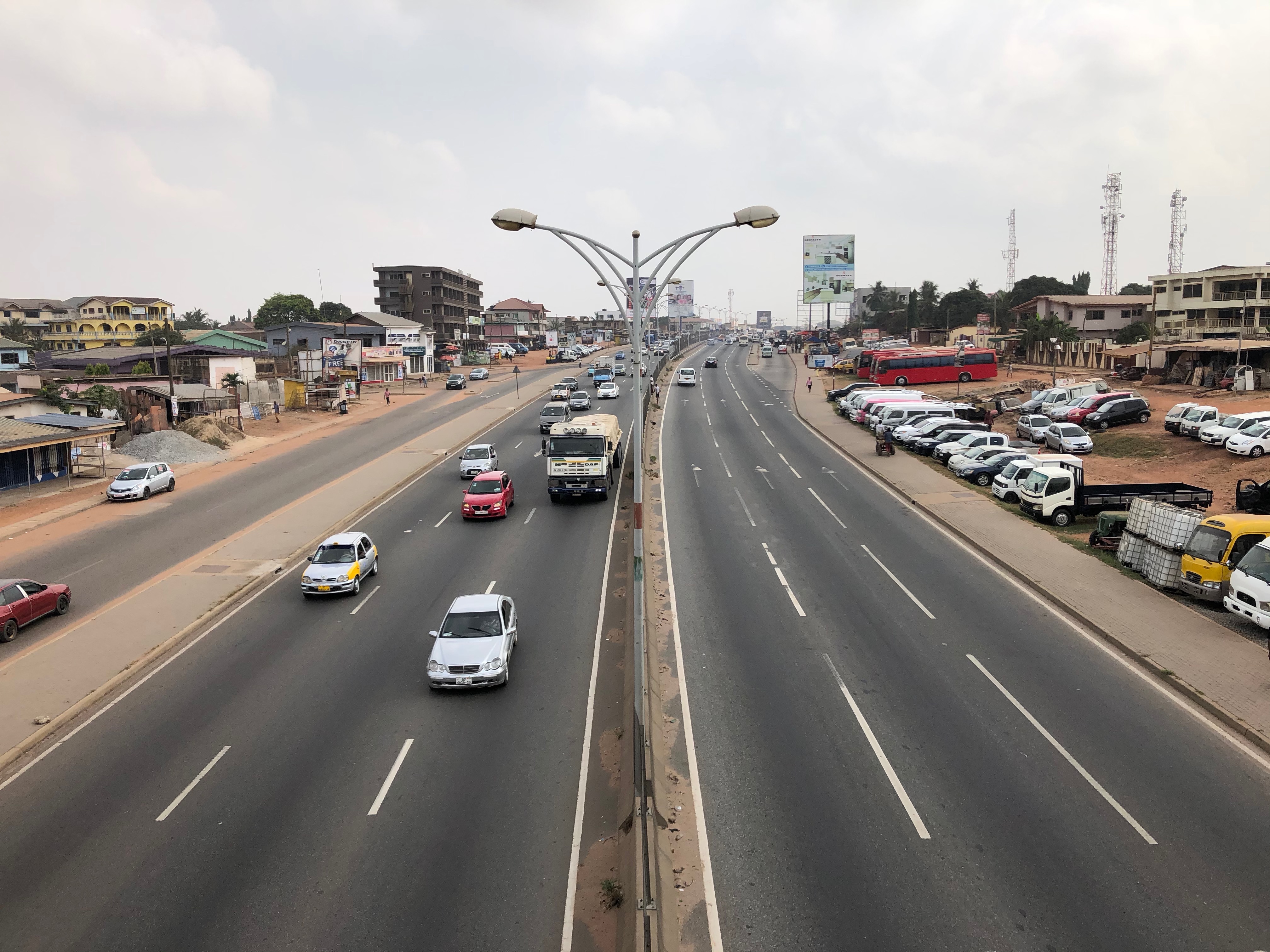
The Chief's Palace, Central Mosque, Abeka Market, Peace FM, Angel FM/TV, UTV Ghana, and all significant places — including disputed lands at Nii Boiman. Located on the N1 highway between Accra and Lapaz.

Abeka Chief's Palace
Traditional seat of the Abeka Mantse and the Nii Boi Royal Family, located in the heart of old Abeka town.
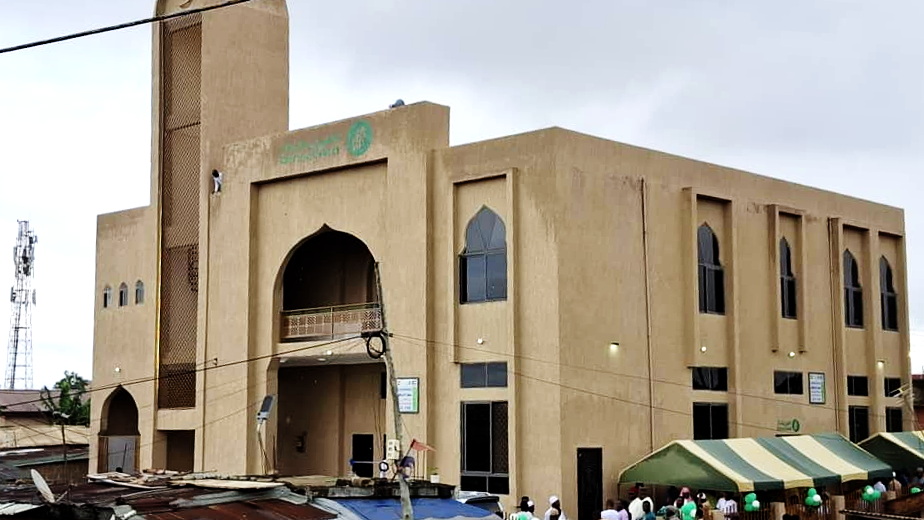
Abeka Central Mosque
The principal mosque of Abeka, serving the Muslim community for Friday prayers, Islamic education, and community gatherings.
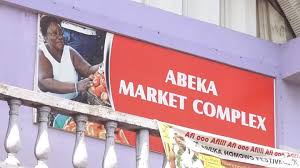
Abeka Market
Abeka Market is the central marketplace of the Abeka community — a busy, bustling hub of trade that serves the entire neighbourhood and surrounding areas. The market was historically rebuilt by Nuumo Apiakai (George Boye), the Most Senior Linguist of the Asere Stool, who also established the Abeka cemetery nearby. Vendors sell food, textiles, household goods, and local produce daily.

Abeka Old Town
The original residential core of Abeka where the earliest Ga families settled — the historic heart of the Nii Boi Royal Family's heritage.

Abeka Recreational Area / Green Spaces
Green spaces and recreational areas within Abeka provide residents with places for leisure, community gatherings, and social interaction. These areas contribute to the quality of life in the community and serve as informal meeting places for residents of all ages.

Nii Boiman Area (Disputed Lands)
Territory in Lapaz disputed between the Nii Boi Royal Family and the Asere Kotopong Stool, subject of active Lands Commission proceedings.
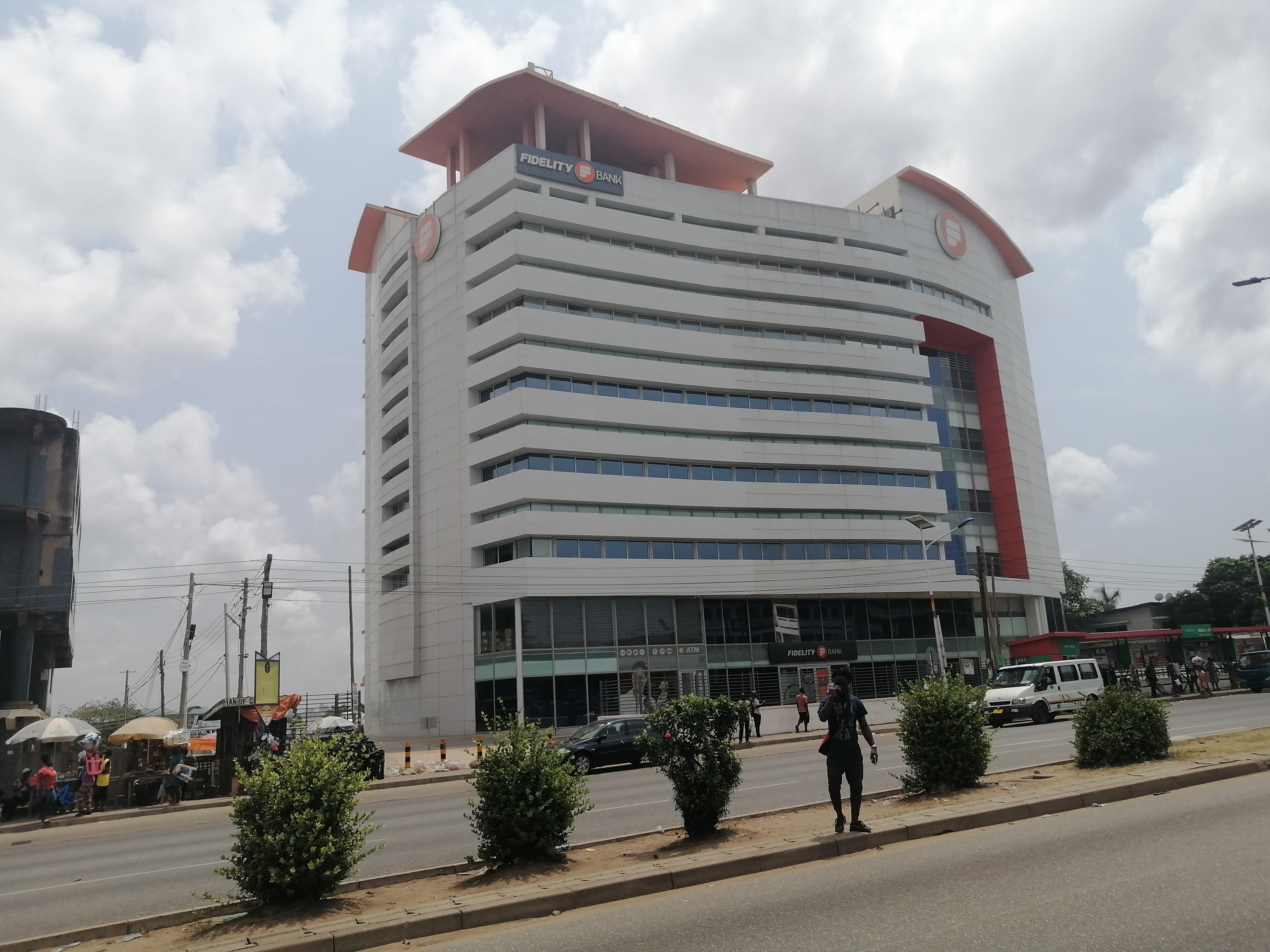
Abeka-Lapaz Road
Principal arterial road connecting Abeka to Lapaz, Kwashieman, and Ofankor — the commercial spine of the Abeka community.
Nii Boi Town
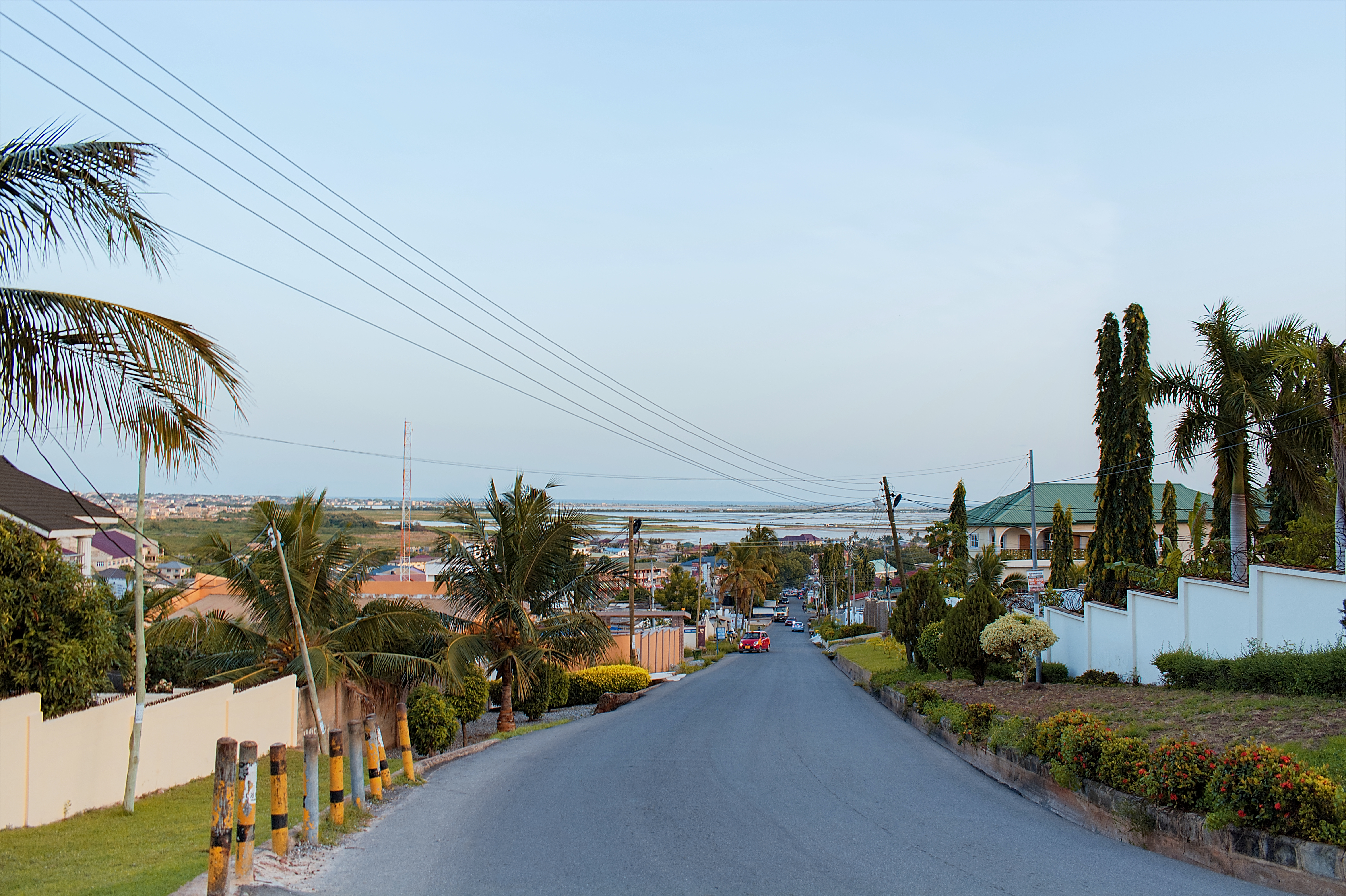
Sub-community of Abeka named directly in honour of the Nii Boi royal lineage.
Free Pipes Area
Residential sub-community within Abeka, named after public water pipes installed in the area during the colonial era.
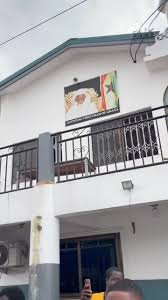
National Chief Imam's Mosque — New Fadama
Residence and mosque of Sheikh Dr. Osmanu Nuhu Sharubutu, National Chief Imam of Ghana. Located in New Fadama within the historical Abeka/Asere boundary, but legally protected by decades of peaceful possession, E.I. 3 of 2000 regularisation, and the Limitation Act 1972.
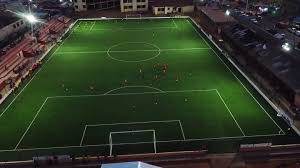
Shaykh Sharubutu Sports Complex — Fadama Astro Turf
Government-built astro turf facility adjacent to the National Chief Imam's enclave in New Fadama, officially named by the Ministry of Inner-City and Zongo Development in honour of Sheikh Dr. Osmanu Nuhu Sharubutu.
New Fadama — Abeka/Darkuman Border Zone
Historically the low-lying marshland periphery of old Abeka village, allocated by Abeka chiefs for farming. A contested border zone where Abeka Royal Family, Darkuman/Oworsika claims, and state Executive Instruments collide. Central to Georgina Amoako v. Susana Kumi.
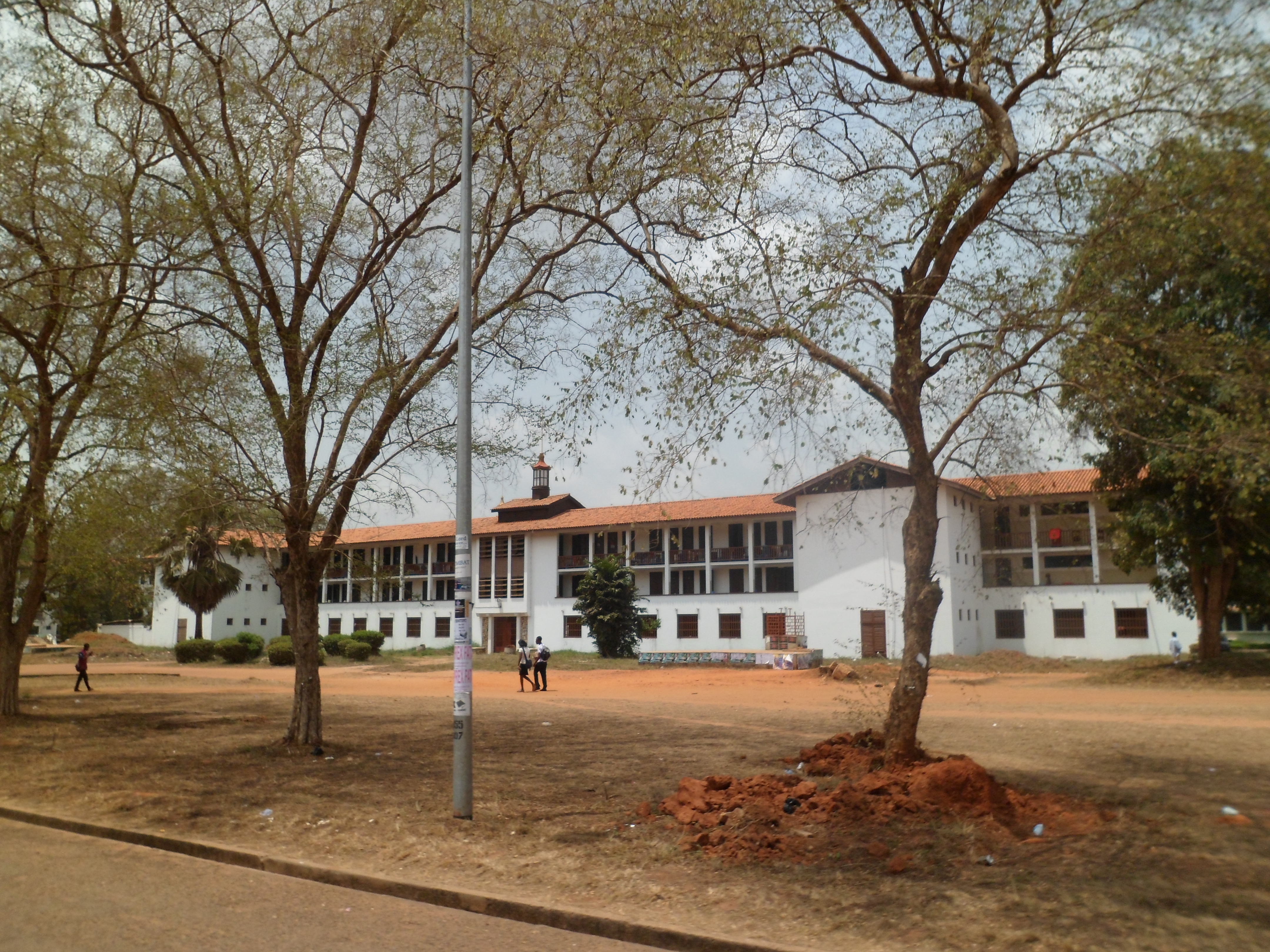
Anne's Preparatory School — Abeka/Israel Enclave
Preparatory school in the Abeka/Israel enclave whose land sits within the E.I. 124 of 1969 acquisition zone nullified by Rockson v. Agadzi. The Abeka Stool's original customary title remains the structural root of all deeds and site plans in this area.
Israel Football Field — Fadama/Abeka Community Ground
Community football ground in the Israel/Fadama enclave that grew organically on undeveloped E.I. 61 of 1975 land after the State Housing Company utilised only ~310 of 1,100+ allocated acres. Under Abeka customary oversight in practice.
La Paz Market Area - Masjid Jama-at Street
The main La Paz market area along Masjid Jama-at Street, serving as a commercial and transit hub connecting Abeka to the broader La Paz neighbourhood. A busy thoroughfare with mixed retail, food, and transport activity.
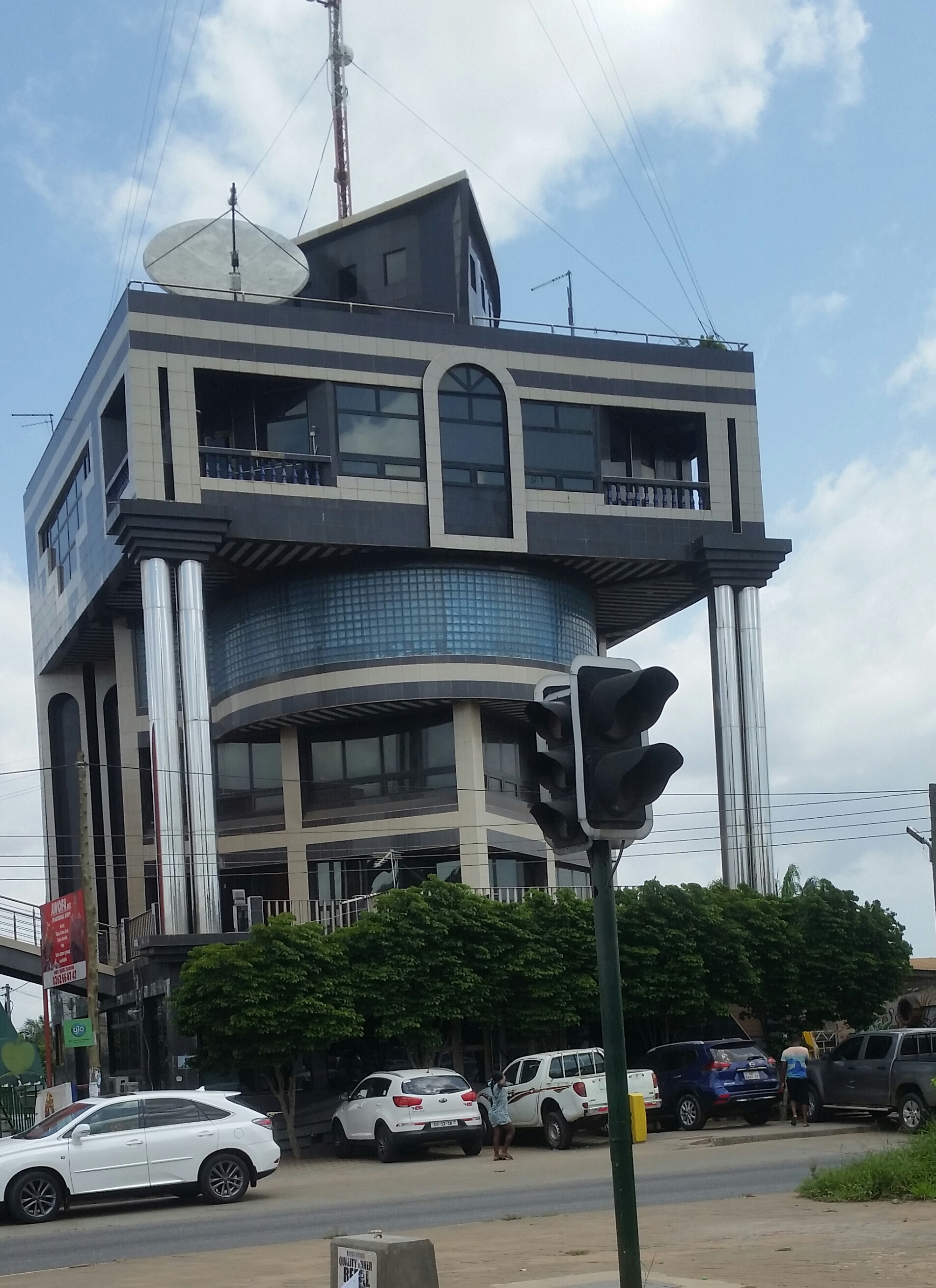
Peace FM (Despite Media Group)
One of Ghana's most listened-to radio stations, located at Mile 7 Junction, Abeka — on the N1 Highway. Peace FM is the flagship station of the Despite Media Group, which also operates UTV and other media brands. Its Abeka location makes it a major media landmark in the community.
Angel FM / Angel TV
Angel FM and Angel TV are leading Ghanaian media outlets based in Abeka. Known for news, entertainment, and public affairs broadcasting, Angel Broadcasting Network is a prominent Abeka institution serving audiences across Ghana.
The Territory
Abeka & Its Sub-Communities
Abeka Mantse Agboona
The Abeka Stool Palace — founding nucleus and seat of the Nii Boi Royal Family.
Nii Boi Town
Named after Nii Boi — son of Nuumo Apiakai. Massive, highly populated neighbourhood.
Nii Boiman
Formal traditional and administrative block from the Nii Boi line. Subject of 2023 land regularisation.
Abeka-Lapaz (Lapaz Junction)
Sprawling retail, transport, and electronics hub on the N1 highway.
Abeka Market Area
Central wholesale and retail market ground serving the entire municipality daily.
Fadama Junction / Upper New Fadama
Trade strip along the lower valley plains, bordering the Chief Imam enclave.
Free Pipe
Historic dense enclave in Old Abeka, named after early community water systems.
Abeka Post Office Area
Administrative and civic sector with public amenities and schools.
Abeka-Israel Border
Western residential grid bridging to neighbouring Chantan and Darkuman.
Abeka-Akweteyman Border
Eastern frontier running toward the Nsawam Road axis.
Race Course Area / Abeka Pipeline
Transit and residential strips through the upper quadrants of the estate.
Visitor Information
Getting to Abeka
By Trotro
Take any trotro from Kaneshie or Circle heading to Abeka Junction. The Abeka-Lapaz route is one of the busiest in Accra.
By Private Car
Follow the N1 highway towards Lapaz. Turn at Abeka Junction. The Chief's Palace is in the heart of old Abeka town.
By Taxi / Uber
Tell the driver "Abeka Junction" or "Abeka Market" — both are well-known landmarks. Uber and Bolt cover the area.
Cultural Etiquette
- • Always ask permission before photographing individuals, especially at traditional ceremonies or near the Chief's Palace.
- • Remove shoes and hats when entering the Chief's Palace as a sign of respect.
- • Dress modestly when visiting religious sites including the Central Mosque.
- • Greet elders with "Ojekoo" (Ga) for a warm welcome.
- • If visiting during a festival or traditional ceremony, contact the palace in advance.